
TPA’s Brett Fay testifies before Senate Transportation Committee on future of Advanced Air Mobility
State lawmakers were interested to learn about the new technology expected to roll out in Florida in the coming years.
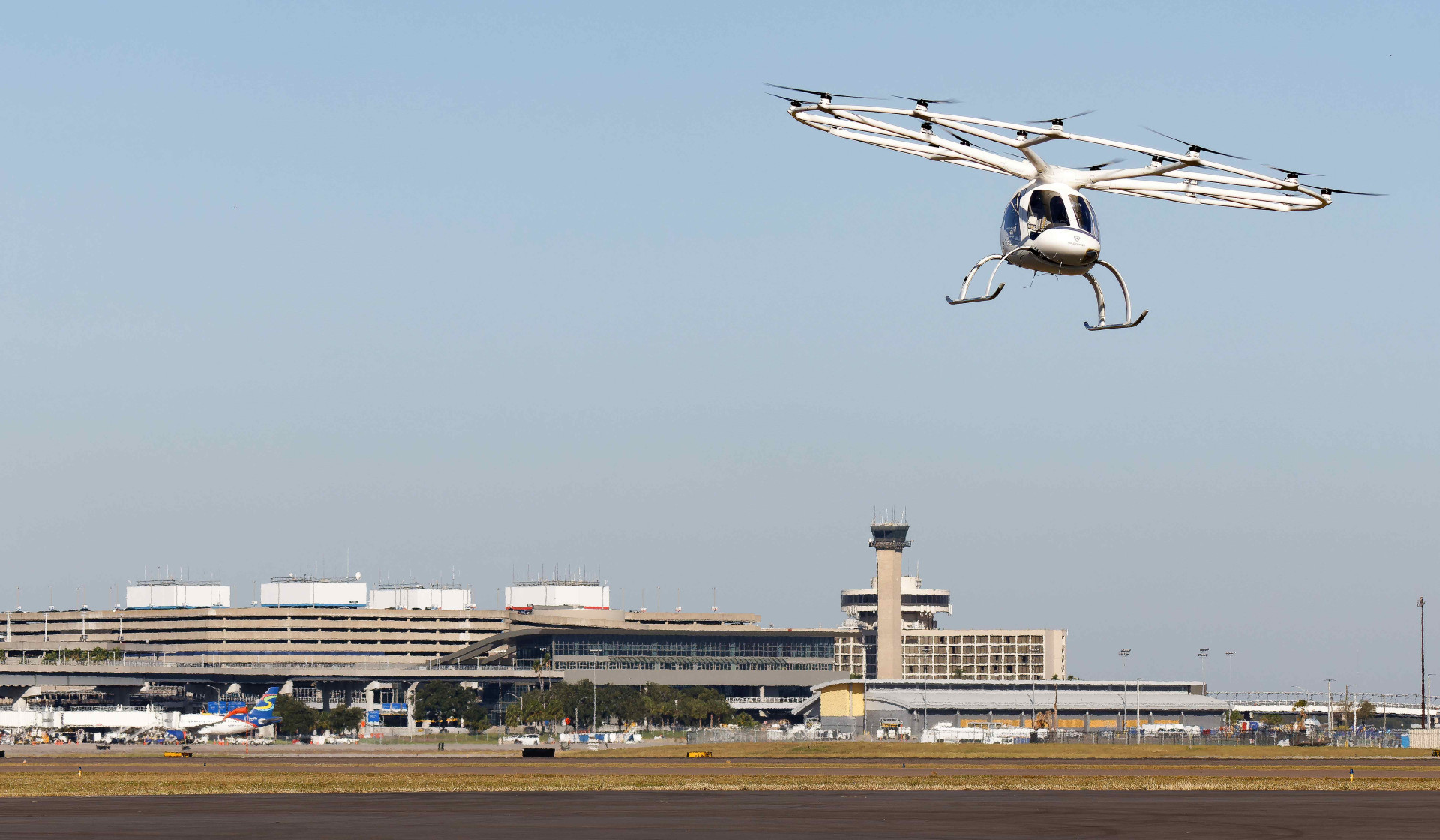
Flying taxis transporting passengers from the airport to Clearwater Beach or from downtown St. Pete to a Lightning game at Amalie Arena may sound like Jetsons-inspired science fiction today. But Brett Fay, Tampa International Airport’s Vice President of General Aviation, wants state lawmakers to know the reality of that new technology may be closer than they think.
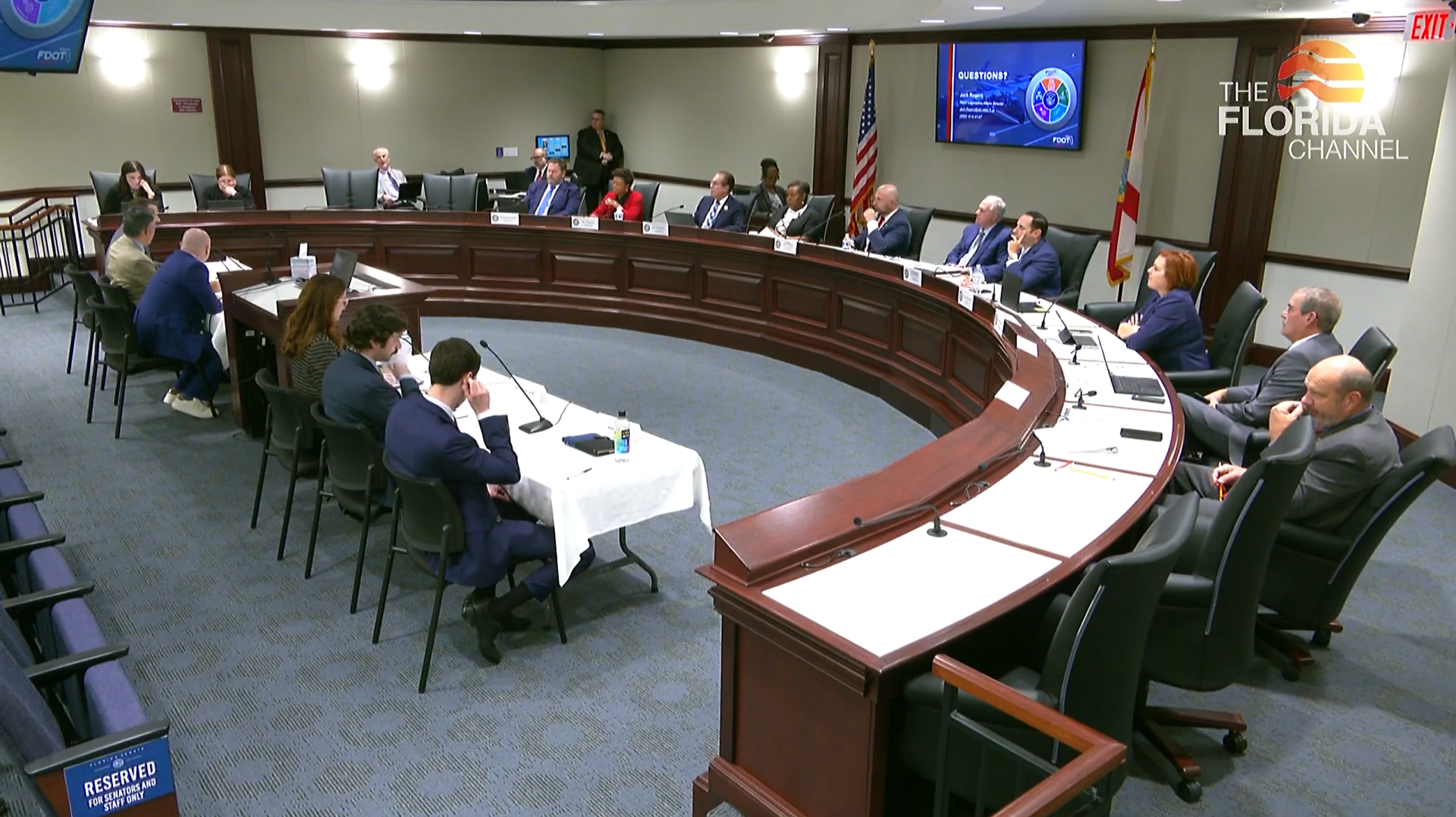
Fay, who helps oversee business operations surrounding private aircraft at Tampa International and the Hillsborough County Aviation Authority’s three General Aviation airports, testified in Tallahassee last week before the Florida Senate's Transportation Committee, discussing how the state’s major airports are planning to integrate the new technology into Florida’s already busy airspace.
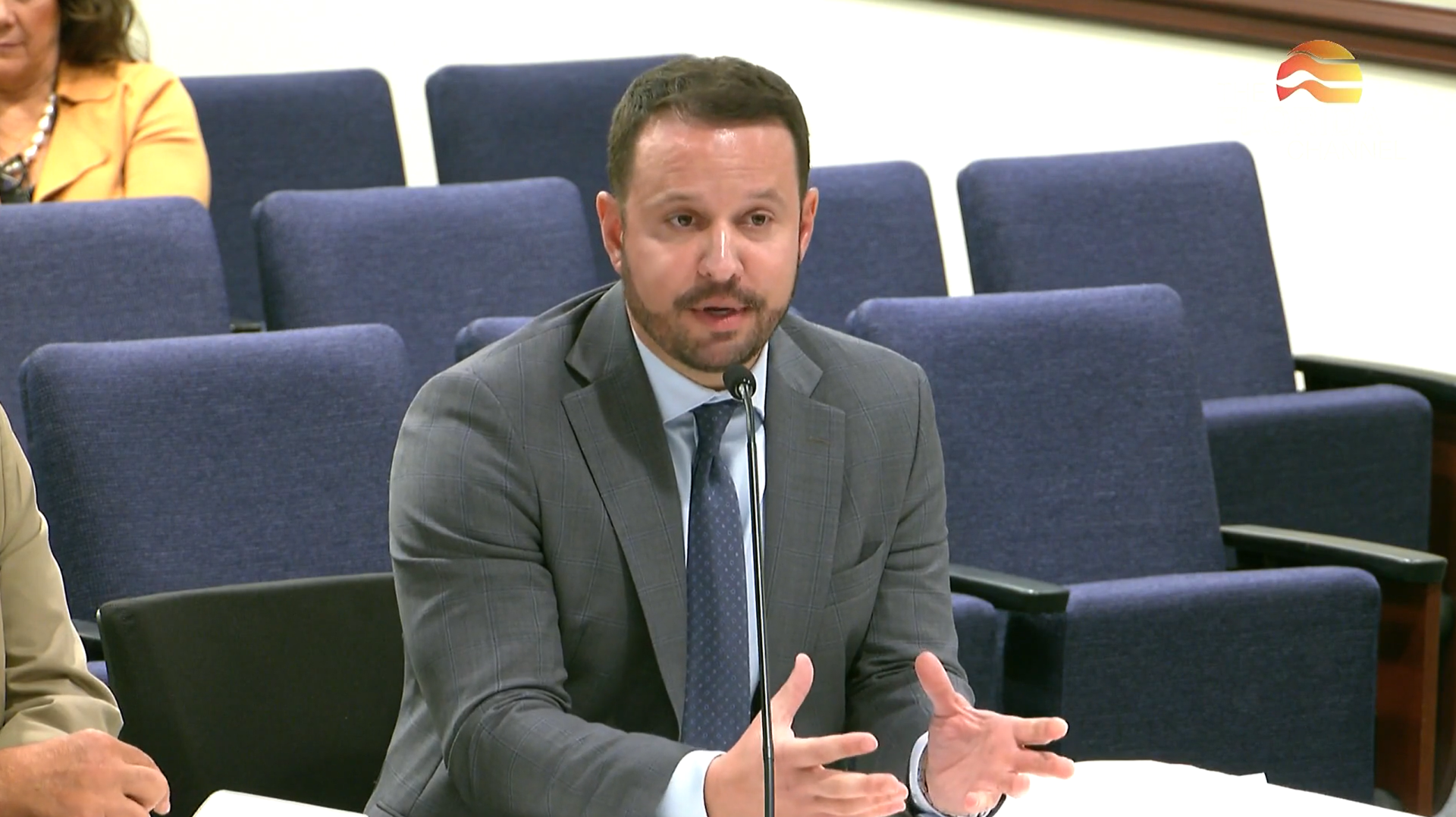
“This is just another thing that flies,” said Fay of the new type aircraft known as an eVTOL (electric vertical take-off and landing). “It may have a different propulsion method and use electric motors rather than internal combustion or jet engines, but this is something that will have a pilot and will be operating in the existing air traffic control framework just like other aircraft do. And we can accommodate that tomorrow.”
In fact, Fay says Tampa International Airport is leading the way as one of the nation’s first airports to include Advanced Air Mobility in its Master Plan. In November of 2023, TPA was also the first commercial service airport to host an Advanced Air Mobility test flight.
“We have done more preparation and planning than probably most airports in the country,” said Fay.
The state of Florida is also working to position itself on the leading edge of this new technology. The industry is closely eyeing Florida as a potential rollout market due to the state’s quickly growing population, warm weather, and unique geography in metro communities like the Tampa Bay area.
“Anyone who has sat on I-275 trying to get across the Howard Frankland when there has been a crash knows how challenging that can be,” said Fay. “This type of transportation solution really lends itself to our geography in the state.
During last week’s hearing, Fay says lawmakers had questions about the timing of when the new technology could start showing up in Florida and how airports plan to integrate the new aircraft across the state.

Fay says he expects the rollout to be very slow in select markets but that the technology could start showing up as soon as the end of this year or early 2026 – and the state should be ready.
“There are all types of benefits that come along with Advanced Air Mobility, like the jobs, the manufacturing of these aircraft and servicing of aircraft and maintenance. It will be a whole new ecosystem and boost our economy when it comes to jobs and development.”
As Florida’s population continues to grow and roadway traffic continues getting worse, Fay predicts demand for the new technology will grow as well.
“Over the next 10 to 15 years there is going to be a significant shift in the way people get around and the type of mobility solutions that are available. Advanced Air Mobility is one of those options that we are looking at very closely.”