
Employee Spotlight: Nevada Smith, Airport Operations Safety Systems Manager
After an exciting career as a Coast Guard rescue pilot, which included a small role in a hit movie, Smith now runs TPA's drone program and safety management system.
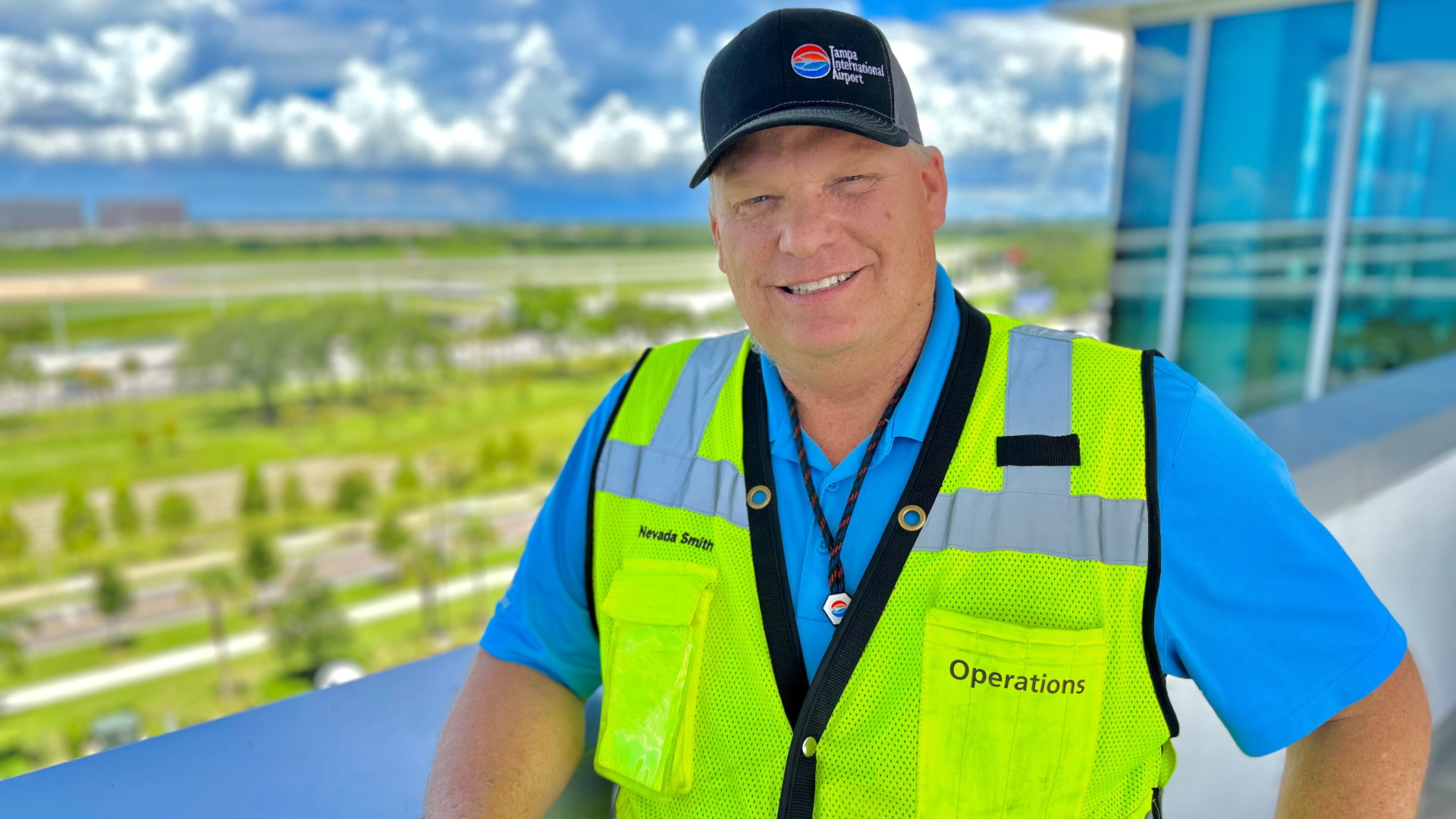
It was a warm and muggy July evening off the coast of Cape Cod. Freshly minted Coast Guard pilot Nevada Smith was at home when his phone rang.
The voice on the other end was frantic for help. A Boeing 747 had just gone down in the waters off Long Island and the phones at the Cape Cod Coast Guard station were ringing off the hook. TWA flight 800, a New York-to-Paris-bound flight carrying 230 passengers, had disappeared off radar, sparking one of the biggest search, rescue and recovery missions in recent history.
Smith rushed in to help and spent the entire night fielding media phone calls from around the world before setting off on a days-long tireless and tragic search from the air with his Coast Guard colleagues.
The event would set the tone for what would become a lifelong career dedicated to saving lives and safety in aviation — one filled with historical moments, heroic rescues, and hair-raising adventures.
Smith often found himself in the spotlight, including his rescue missions being documented by “Good Morning America,” inspiring a book and even leading to a role in a major motion picture alongside Kevin Costner and Ashton Kutcher.
But Smith’s career wasn’t always filled with glitz and glamour. At first, his career as a pilot seemed like it might never take off at all.
Early dreams of flying
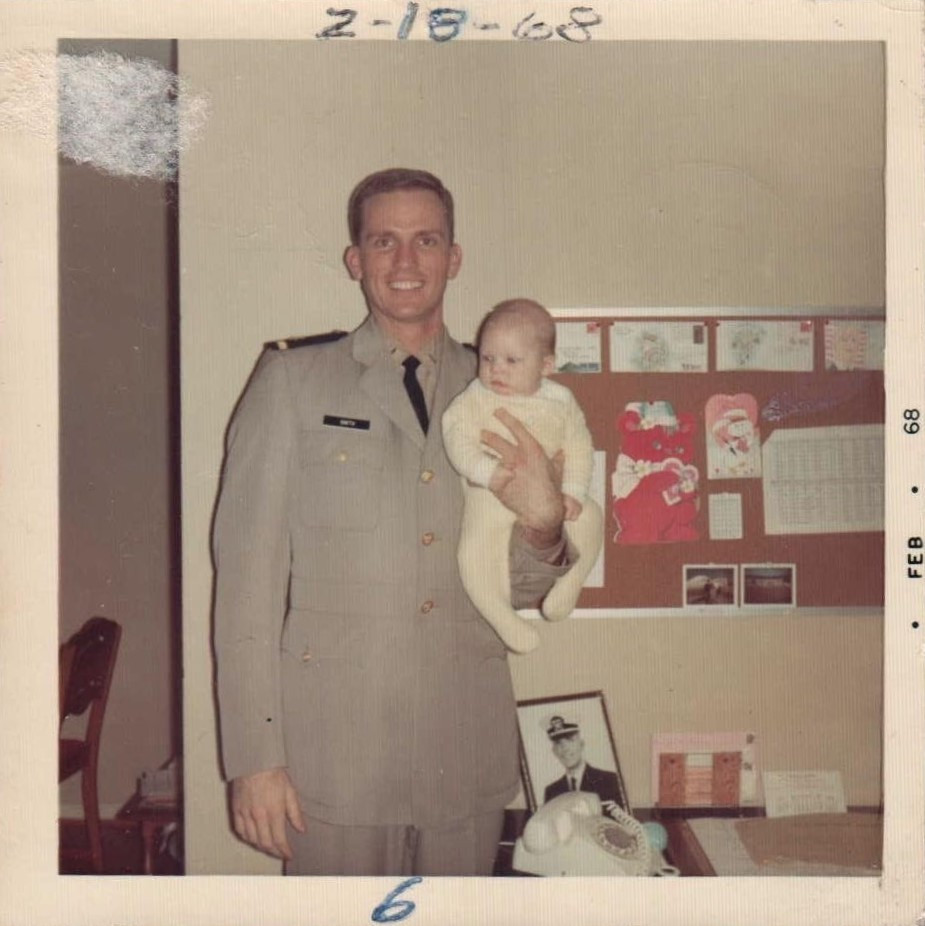 Nevada Smith was born in Pensacola, Fla., the son of a Naval Aviator flight instructor.
Like kids in many military families, Smith often moved around the country to places like Corpus Christi, Texas, and Norfolk, Va., before his family finally ended up in Illinois. Constantly hearing about flying from his father, Smith fell in love with all things aviation.
“My brother and I knew the phonic alphabet, Alpha, Bravo, Charlie, since we were little kids,” Smith said. “By the time I was in third grade, I was really into model airplanes and loved any book about aviation.”
After graduating high school and watching the 1986 hit movie “Top Gun,” Smith was ready to enroll in the Air Force ROTC for his freshman year in college. He had big dreams of becoming an Air Force pilot.
Then came one of the biggest disappointments of his life: During his flight physical, the doctor discovered an issue that would disqualify him from flying for the Air Force.
“My back was too long,” said Smith. “The doctor explained when I stand up, I’m short enough, but when I sit down, I’m a half-inch too tall.”
The news was devastating. Smith transferred to Southern Illinois University, where he planned to enter Officer Candidate School. But he was turned down twice, and after graduating with his bachelors degree, he decided to drive to Chicago to enlist in the U.S. Coast Guard.
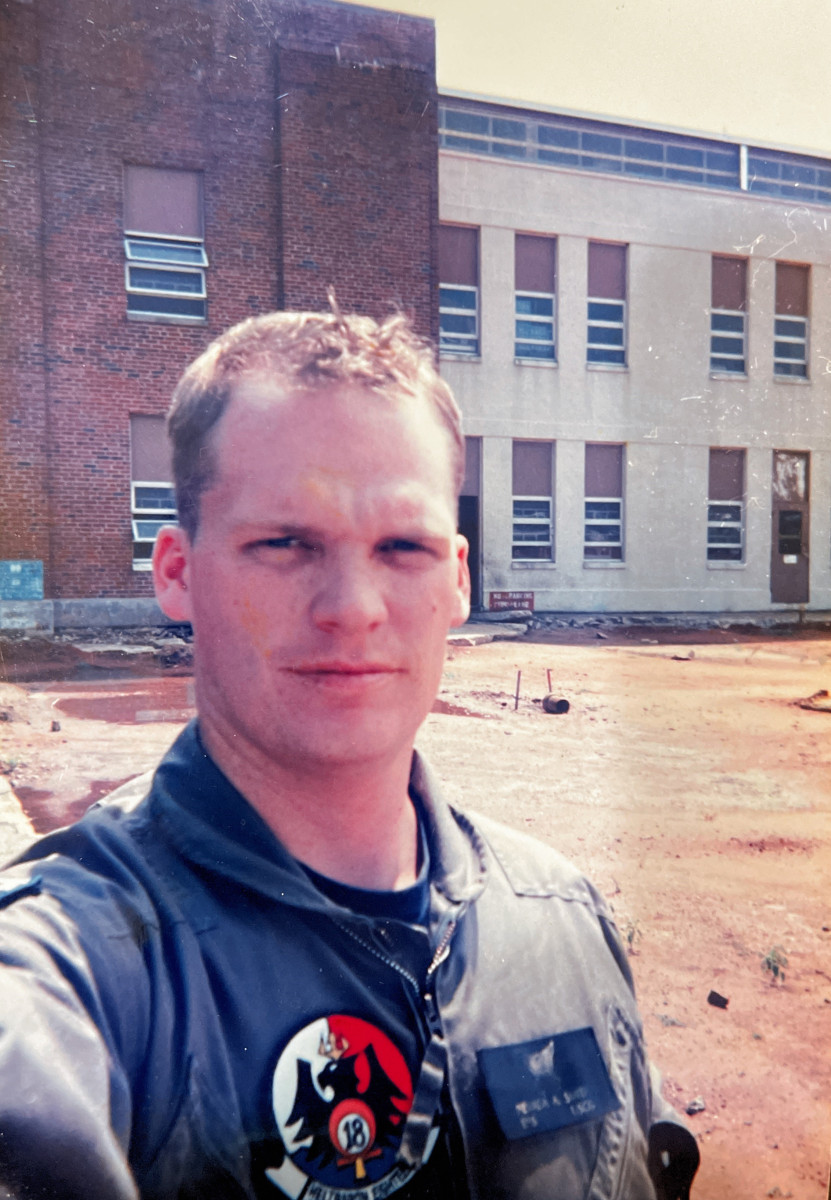
From humble beginnings … to the right stuff
After completing boot camp at Cape May, New Jersey, Smith was sent to Iowa where his primary assignment was painting buoys along a stretch of the Mississippi River.
After applying for Officer Candidate School three times and getting turned down each time, he decided to give it one last shot.
“They finally accepted me,” said Smith. “It was a dream come true.”
He spent the next 17 weeks in Yorktown, Va., and was one of 11 Coast Guard candidates in his group who would apply for flight school.
Finally, at the age of 27, Smith would become one of only two in his class to earn Coast Guard wings.
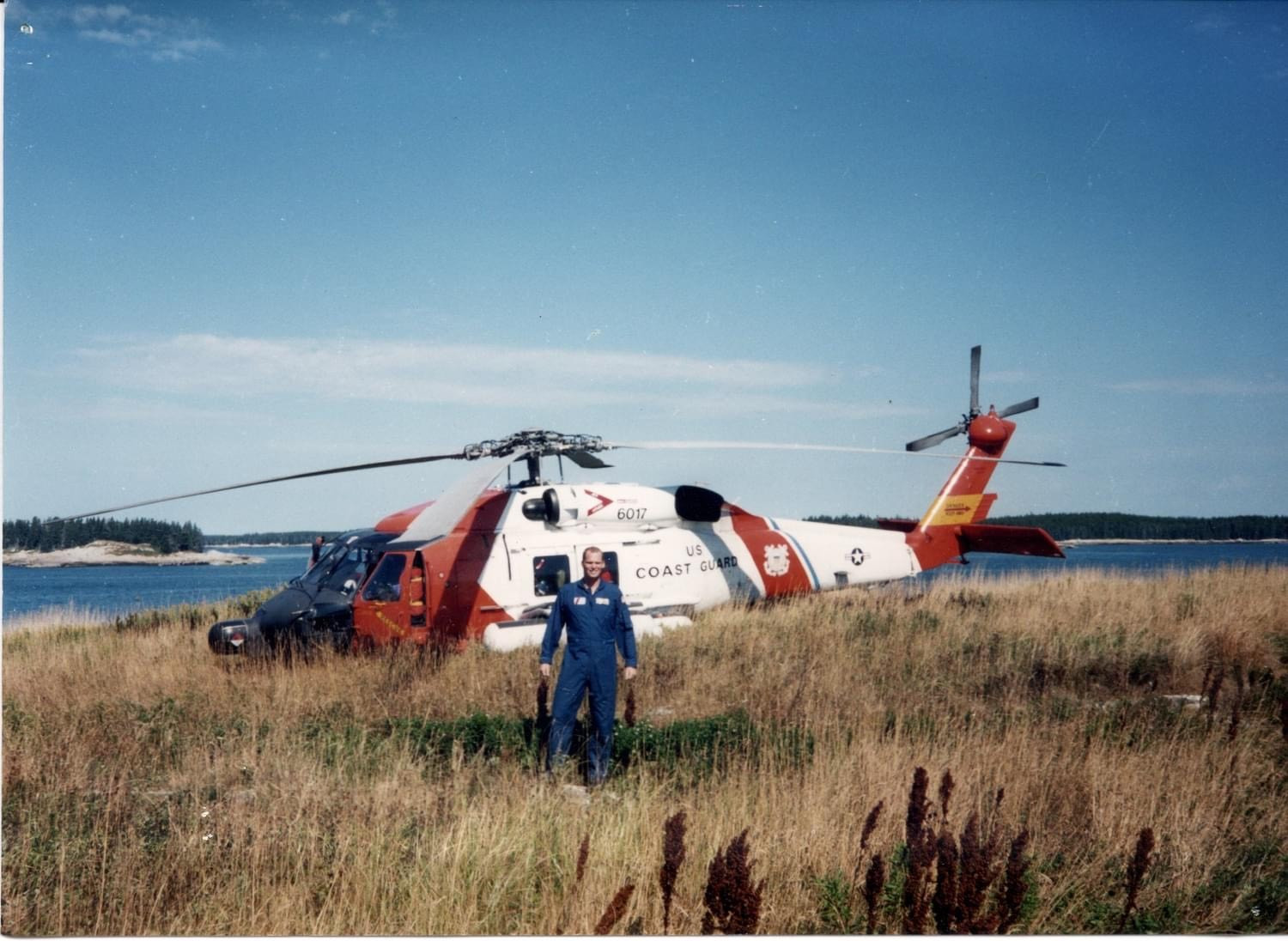
Flying through history
By 1996, Smith would be stationed at Cape Cod, where his first major test would be piloting search and rescue missions in the aftermath of TWA 800.
Television crews and journalists from around the world converged on the northeast, and Smith was tasked with flying members of the media out to the scene so they could capture video of the recovery efforts taking place below.
“It was pandemonium out there," he said. "I will never forget flying over the boats where we could see seats and aircraft parts below.”
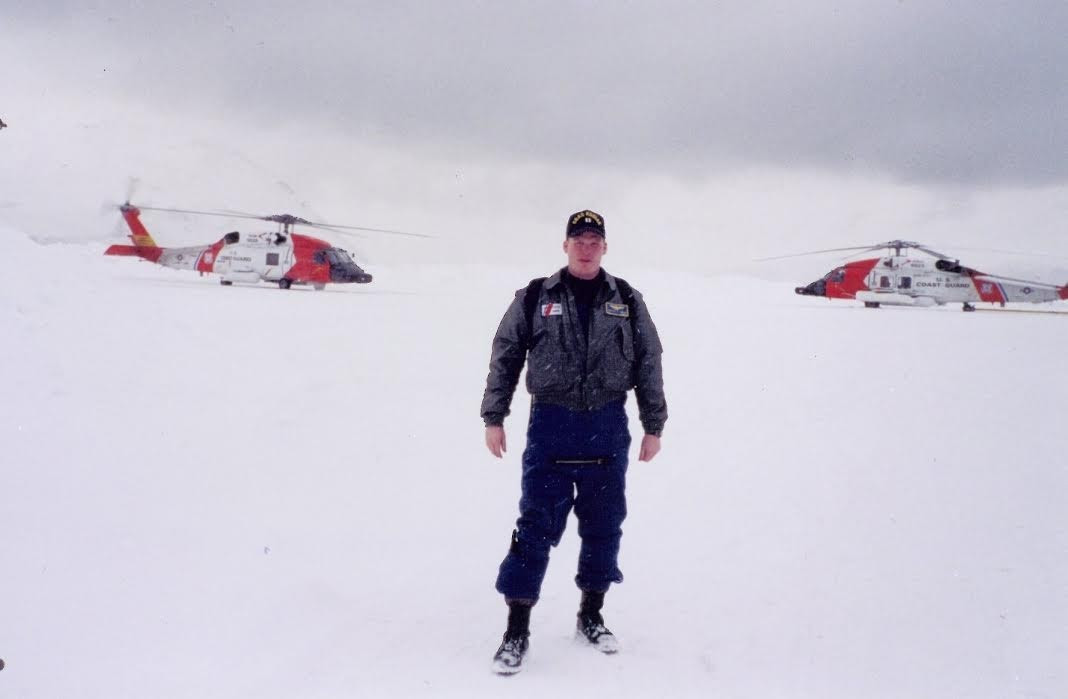
The following year, Nevada was sent north to begin a two-year assignment in Kodiak, Alaska. His main job would be flying search and rescue missions in some of the most unforgiving climates in the world.
“I’d always been fascinated with Alaska since I was a kid, so it was an amazing adventure," Smith said. “I remember one day seeing 44 grizzly bears! They were everywhere, almost like deer.”
He would once again find himself at the center of adventure when called to rescue a group of Inuit natives from Russia that had found their boats taking on water in stormy weather in the middle of the Bering Sea near Gambell, Alaska, near Russia's Chukchi Peninsula. The Russians gave them permission to look for the boats, but just one flight.
“We were flying in the back of a C-130 when we spotted them. We opened the back door and dropped down supplies to help them survive until we could get them help down on the water.”
Saving lives
Next stop: Elizabeth City, N.C. While there, Smith would fly three separate missions to Bermuda, a 700-mile trip that is the max range for Coast Guard helicopters.
“On one stop we even got to meet actor Michael Douglas at the airport,” Smith recalled.
But perhaps his biggest challenge was right around the corner.
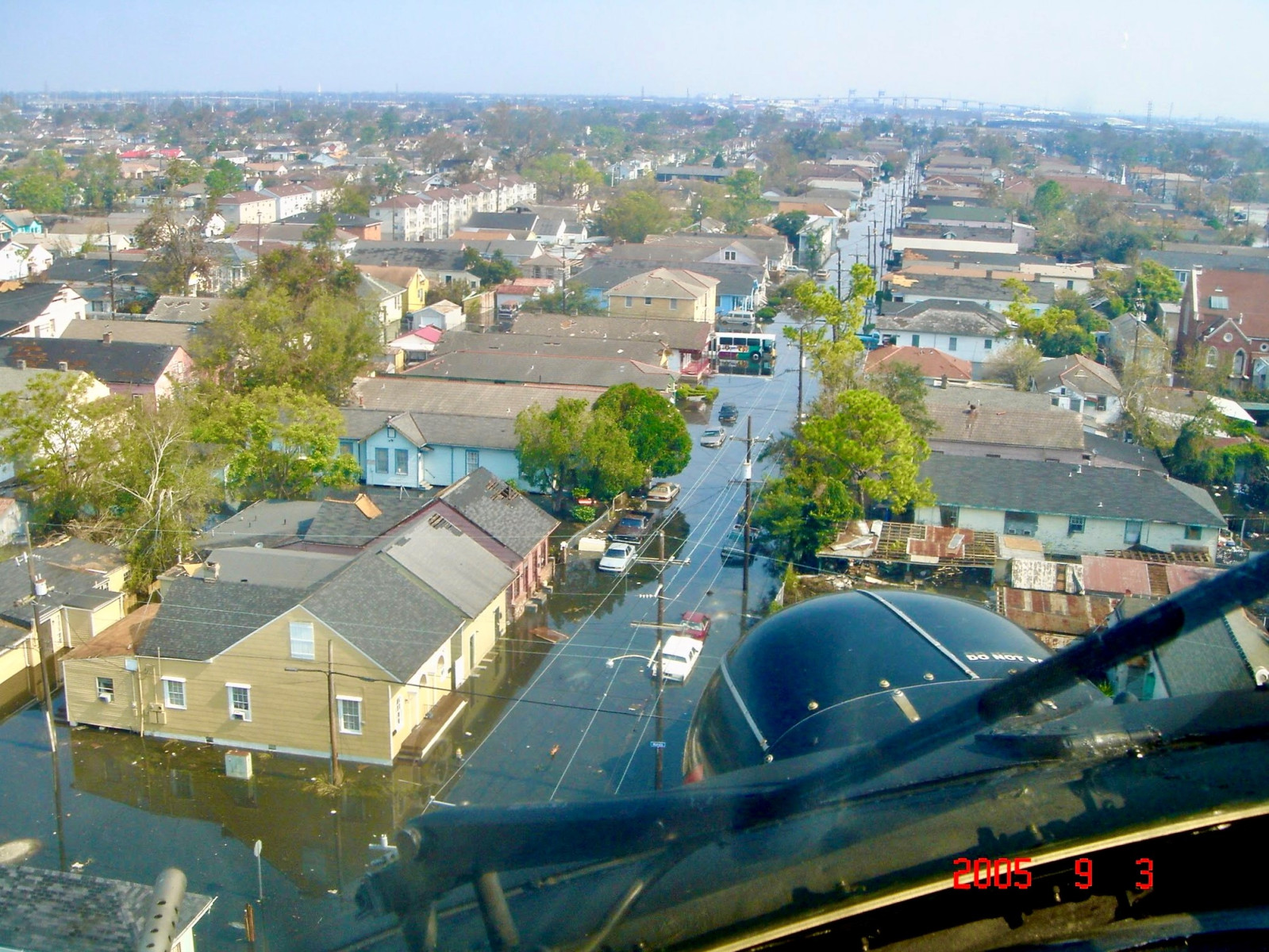
In 2005, Hurricane Katrina would devastate the Gulf Coast, sending a flood of contaminated water through broken levees and into the city of New Orleans. The United States Government would mobilize every available Coast Guard helicopter across America, and Nevada Smith would be among those first in line to help.
Smith was assigned to rescue people trapped in the center of New Orleans. On his mission, a crew from ABC’s “Good Morning America” would be along for the ride to document the Coast Guard’s efforts.
“We picked up the crew and spotted a house with people on the roof. I called it the bus stop, because we just kept going back and picking up more and more people from that same rooftop.
Smith and his team would go on to assist 138 people over three days of flying.
“That’s basically a Coast Guard lifetime of search and rescues in just three flights over New Orleans,” said Smith.
His crew's rescue swimmer would end up receiving a call from then President George W. Bush praising the team for their efforts.
“My 7th grade English teacher called my Aunt Carol to say, 'I just saw Nevada on TV!’”
Action on the big screen
 The spotlight wasn’t done shining just yet.
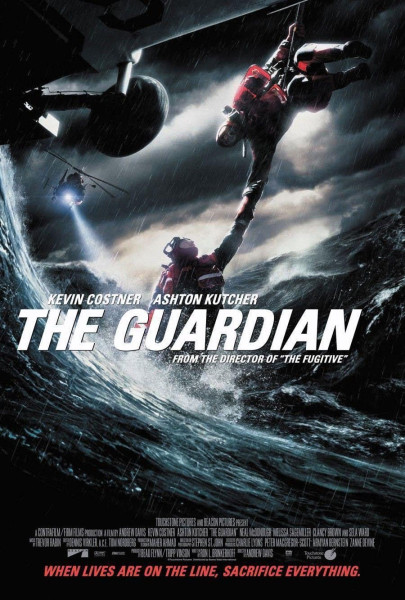
Shortly after Katrina, Nevada would get a tip that a Hollywood casting agency was holding auditions for parts as extras in an upcoming feature film, “The Guardian,” starring Kevin Costner and Ashton Kutcher. Smith spent his entire day waiting before he was called in to see the producers.
“It was a fun experience,” said Smith. “I never dreamed I would get a call back.”
But weeks later the phone did ring and it was a producer inviting him to be in the movie.
“They said I would be playing Lt. Ken Krauss and that they’d be FedExing me a script. I couldn’t believe it!”
But then Smith read through the script and realized his character was only mentioned once.
“It said, ‘Lt Krauss runs to the aircraft.’ I was like, ‘That’s it?’" Smith said. "That experience taught me a lot about Hollywood. When it comes to movies, you can finagle yourself into about anything.”
Smith says with his real-life background in the Coast Guard, he was a valuable asset, advising the director on ways to make the movie more realistic.
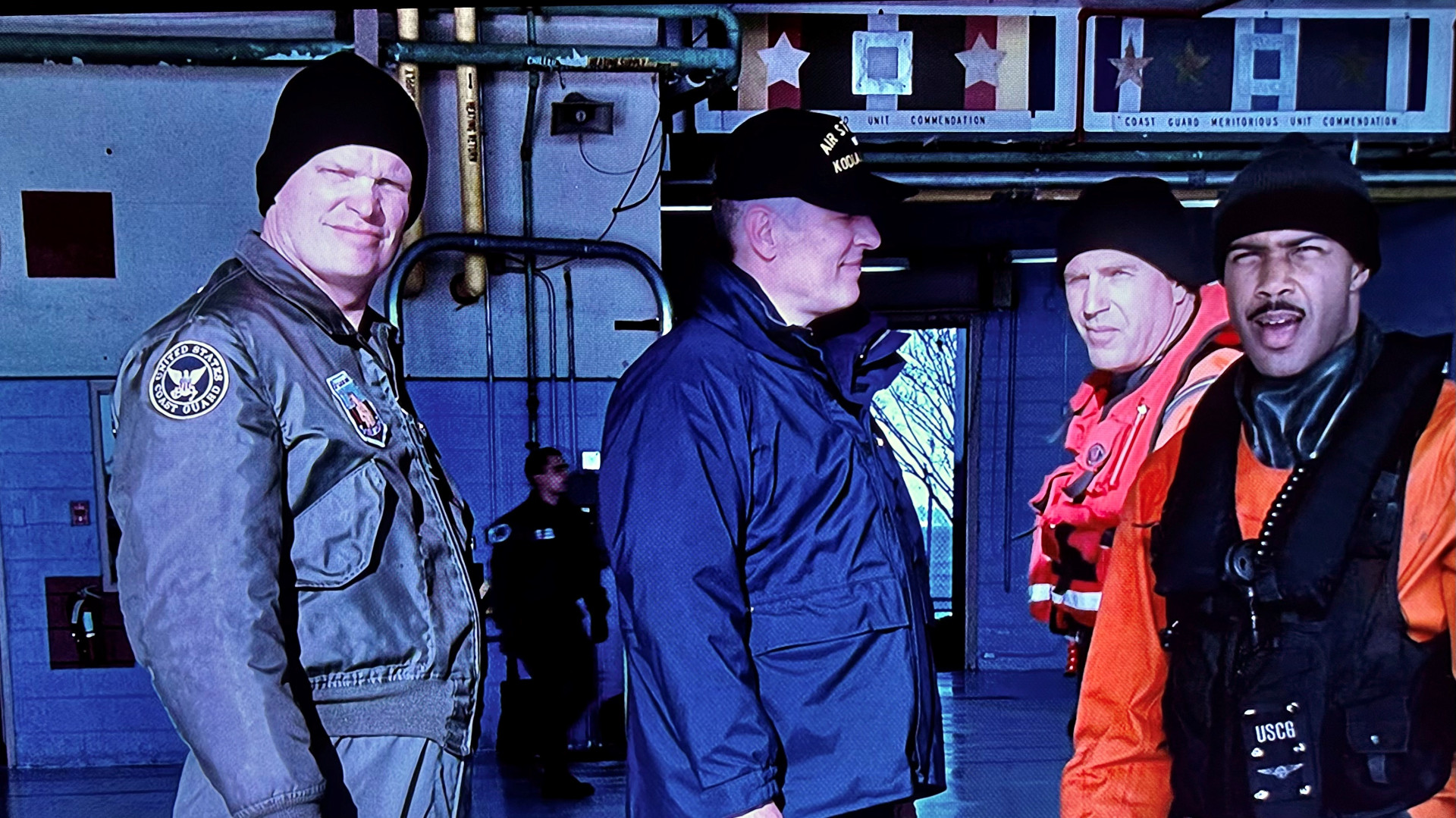
In one of the first scenes, actor Clancy Brown is playing one of the commanding officers.
“I told the director, ‘The commanding officer doesn’t ever walk around by himself. He always has an escort with him.’”
“The director goes, ‘Really? You should just get in there then.’ The next thing you know I’m in the movie,” Smith said with a smile.
In a later scene, Smith was able to advise the crew what would be happening in the Operations Center following a helicopter crash.
“I told them we would execute the mishap checklist,” recalls Smith. “They said, that sounds cool. We want to do that. I helped re-write the script right there.”
Because his character was mentioned by name and ended up having a small speaking role, to this day he still get residuals from the movie.
“I got a check for $140 just the other day,” said Smith. “The check comes from Disney, so we call it my Mickey Mouse money.”
Book deals and beyond
Smith’s adventures were far from over. In May 2007, he and his crew were scrambled to help rescue three men in a life raft caught in Subtropical Storm Andrea, which rapidly intensified 120 miles off the coast of Cherry Point, N.C.
On his way into the station, Smith says he asked crews to ready his aircraft for maximum amount of flight time, which involves attaching multiple external fuel tanks to the helicopter to provide extra range.
With the help of a C-130 crew, Smith and his team would locate the three men sitting in a tiny raft in 70 foot seas below. He managed to capture unbelievable video of the rescue which ultimately inspired a book, “A Storm Too Soon.” Smith says an entire chapter was based on his written account of what happened.
The Next Chapter
Smith would wrap up his amazing career in the Coast Guard with leadership roles as the Aviation Safety lead at District 5 headquarters and then as the operations boss in Astoria, Ore., After 24 years in the Coast Guard, he would finally retire in 2015. The milestone would coincide with the graduation of his daughters from high school and the sudden passing of his father from pancreatic cancer.
“My mom said I wouldn’t get a job until my dad has passed of pancreatic cancer. She said it was meant to be that I would be with my family after the Coast Guard," recalls Smith. "A few hours after he died the phone rang for an interview at Tampa International.”
Smith would be offered the job at TPA a few days later.
“I had always wanted to get into Airport management. I wanted to work for a big international airport and Tampa sounded perfect,” said Smith.
His family packed their bags and headed south to Tampa, where Nevada was hired as an Airport Operations Specialist. While working at a commercial airport would be new, many of the safety management skills from his decades in the Coast Guard would prove useful in his new role.
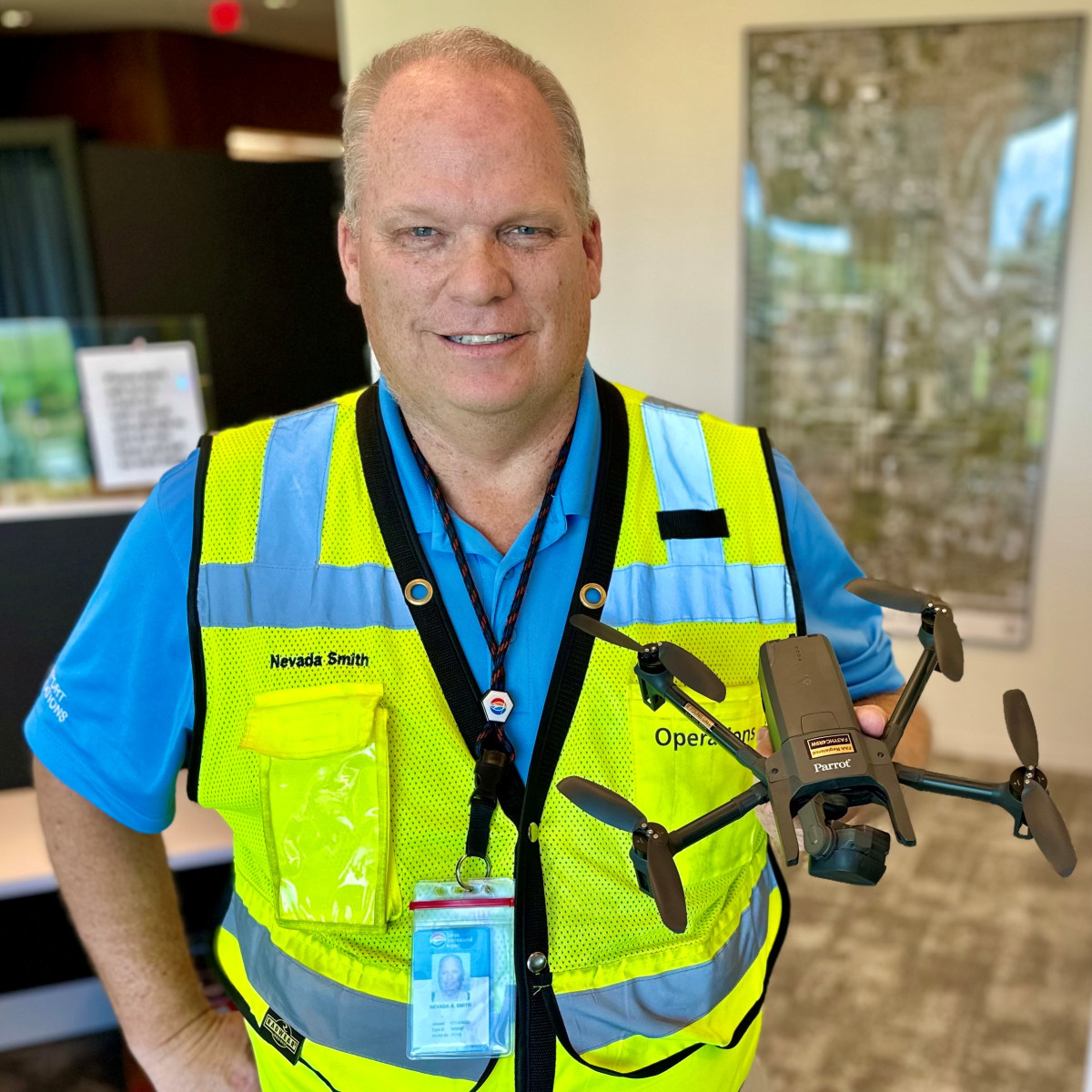 Two years later he would be promoted, and today he manages the Airport’s drone program and TPA’s safety management system, which is scheduled to undergo its first formal review from the FAA in 2027.
“Our job is to prevent bad things from happening. We are working to prevent hazards,” said Smith.
The role includes monitoring employee safety practices, looking for hazardous conditions on the airfield, preventing fires, and making sure everyone is prepared for whatever scenario might come along next.
As part of his drone responsibilities, Smith communicates with the FAA to fly the Airport’s drone in TPA's Class B controlled airspace. His drone video has been used to help with safety projects and for promotional purposes for events like the annual TPA 5K on the Runway.
“I love it. I love the work here and I love the people," said Smith, who will celebrate his ninth year at TPA in August. "It’s just as much fun as the Coast Guard and that emergency response stuff and helping people is what makes the job so rewarding.”